
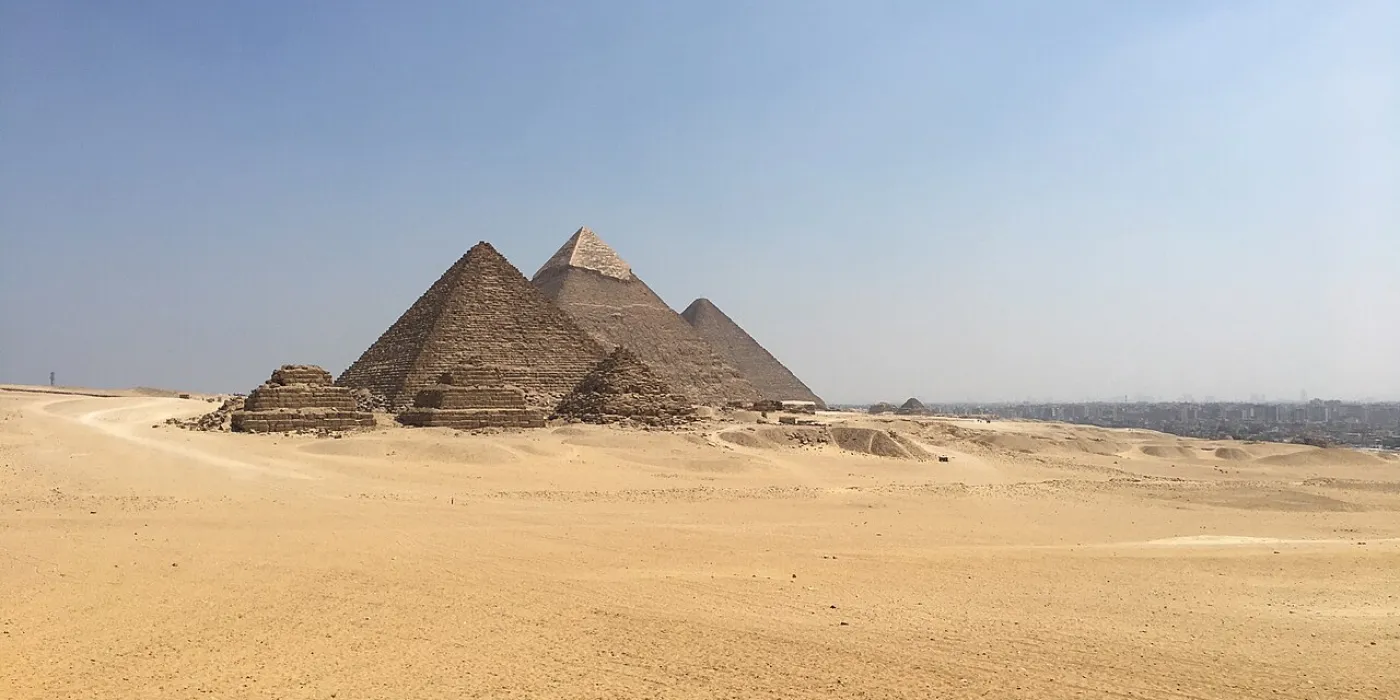
Two days in Cairo are enough for a morning on the Giza Plateau and time in the city, provided you leave room for travel between stops. Start the first day at the pyramids and Great Sphinx. You can visit the Grand Egyptian Museum later if there is a suitable entry time. Use the second day for a slower walk through central Cairo or for one museum and a nearby meal. Before booking, decide whether you most want to see the monuments from the outside or spend a few uninterrupted hours looking at artefacts. The answer helps determine where to stay and which visits to put together.
Before leaving Poland: plan the arrival and choose a base
Check your arrival airport on the booking and work out when you will actually leave the terminal after collecting luggage. Save the full hotel address and the entrance as a map pin. If you arrive at night, confirm that the property can check you in at that hour and arrange a way to reach it. Put the address somewhere you can open offline in case your phone has no connection. This itinerary assumes you are staying in Cairo or Giza. If you are visiting from a Red Sea resort on a day trip, compare the route and driving time in the programme you are actually booking.
Staying in Giza can make sense if an early start on the plateau or a long museum visit is your priority. Central Cairo is convenient if you want an evening meal close to your hotel and plan to spend the second day around Tahrir Square. Compare the journey to the entrance you intend to use. A pin in the middle of the archaeological site will tell you little about the time it takes to reach a gate. Families with small children can also look at the distance between the drop-off point and the entrance. Set a realistic arrival target for the first morning and arrange pickup around the journey.
Day one in the morning: the Giza pyramids and Great Sphinx
The pyramids of Khufu, Khafre and Menkaure dominate the plateau. Smaller tombs and the remains of temples are part of the wider site. On a first visit, pick a place to see a pyramid up close, a spot with a wider view and a stop at the Great Sphinx. If you are with a guide, ask how the visit is organised and where you will have time for pictures. If you are visiting independently, look up the site map and current arrangements for getting between points. Agree where to meet your driver afterwards if the best pickup point differs from your entrance.
Check how general plateau admission differs from the ticket for the pyramid interior you might want to visit. Treat going inside as a separate choice. Someone who dislikes confined passages can wait outside at an agreed meeting point. Families can shorten the day by picking two principal stops and keeping more time for whichever one the children find most interesting. Give them a simple task, such as describing how the outline of the pyramids changes when they move from the first viewpoint to the Sphinx. It gives the visit a focus without tying the family to extra stops or a strict timetable.
Bring water, a hat and shoes suited to uneven ground. Check the weather outside before leaving the hotel and allow time to rest. If photographs matter to you, give yourself time at one wide viewpoint instead of trying for the same picture at every stop. If you have time left, choose more places based on what is open on the day. Avoid promising the whole group entry to a particular space before you have checked the ticket conditions. A short break in the shade or back at the vehicle can make the difference between going straight to lunch and enjoying another part of the visit.
Day one in the afternoon: the Grand Egyptian Museum
The Grand Egyptian Museum, usually called GEM, is a separate visit in the Giza area. Factor in the drive as well as the walk from the entrance to the galleries. The museum publishes different hours for the grounds and galleries. Check both for your date and use the official ticketing system to see which entry times are available. Choose a priority for a short visit, such as the Tutankhamun galleries or a part of the main galleries, and leave time to get from one space to another. If you want a leisurely morning at the pyramids, move GEM to your second day. A timed ticket limits your freedom when the first drive takes longer than expected.
Before entering, agree what each person wants to see. One visitor may want to look for portraits of rulers while another is more interested in ordinary tools or representations of boats. Take a break after the first section so you can see how much time and energy remain. With a group that moves at different speeds, choose a meeting point everyone can recognise. Keep the exact entrance and the pickup location on your phone. Leave the evening open if museum travel back to your hotel might take a while. A meal near the hotel usually gives you more flexibility than a timed reservation at the other end of the city.
Day two: central Cairo or a quieter museum day
Start near Tahrir Square if you want to visit the Egyptian Museum in Cairo. The address is in the city centre. GEM is in a different location, so check which full name appears on your ticket and transport booking. After the visit, choose a nearby lunch spot or a short walk in the direction of the Nile. Look at the actual walking route rather than the straight-line distance on the map. Check crossings and agree where to stop if the traffic, weather or tiredness changes your plans.
If you want to see a wider sweep of history, you could choose the National Museum of Egyptian Civilization for the second day instead of the museum at Tahrir. Pick one main visit and keep the additional walk flexible. Compare the collections that interest you before comparing the number of sights. On a short trip, time for lunch and travel usually matters more than fitting several consecutive entry times into one day. If you fly out that evening, keep the last activity in a district from which you can start the airport transfer without adding another cross-town journey.
A shorter plan and a checklist for the morning
With a day and a half, plan one morning at the pyramids and Sphinx and choose one museum. With young children, divide the plateau and museum between the two days if the pace suits you. Keep tickets, addresses, gate names and your driver’s details available offline. Send your group the exact meeting point before leaving. Check the next drive before sitting down for lunch and shorten the final walk if a visit overruns. If you have an extra hour, use it to look more closely at something you already chose. Two unhurried visits can leave a clearer impression than several rushed ones.
Planning sources: Giza Plateau, Grand Egyptian Museum, Egyptian Museum Cairo.
Cover photo: Pyramids of Giza, Egypt — Kimberlym21, Wikimedia Commons, CC BY-SA 4.0. The site crops the photograph for display.
